Match the outing to the whole group.
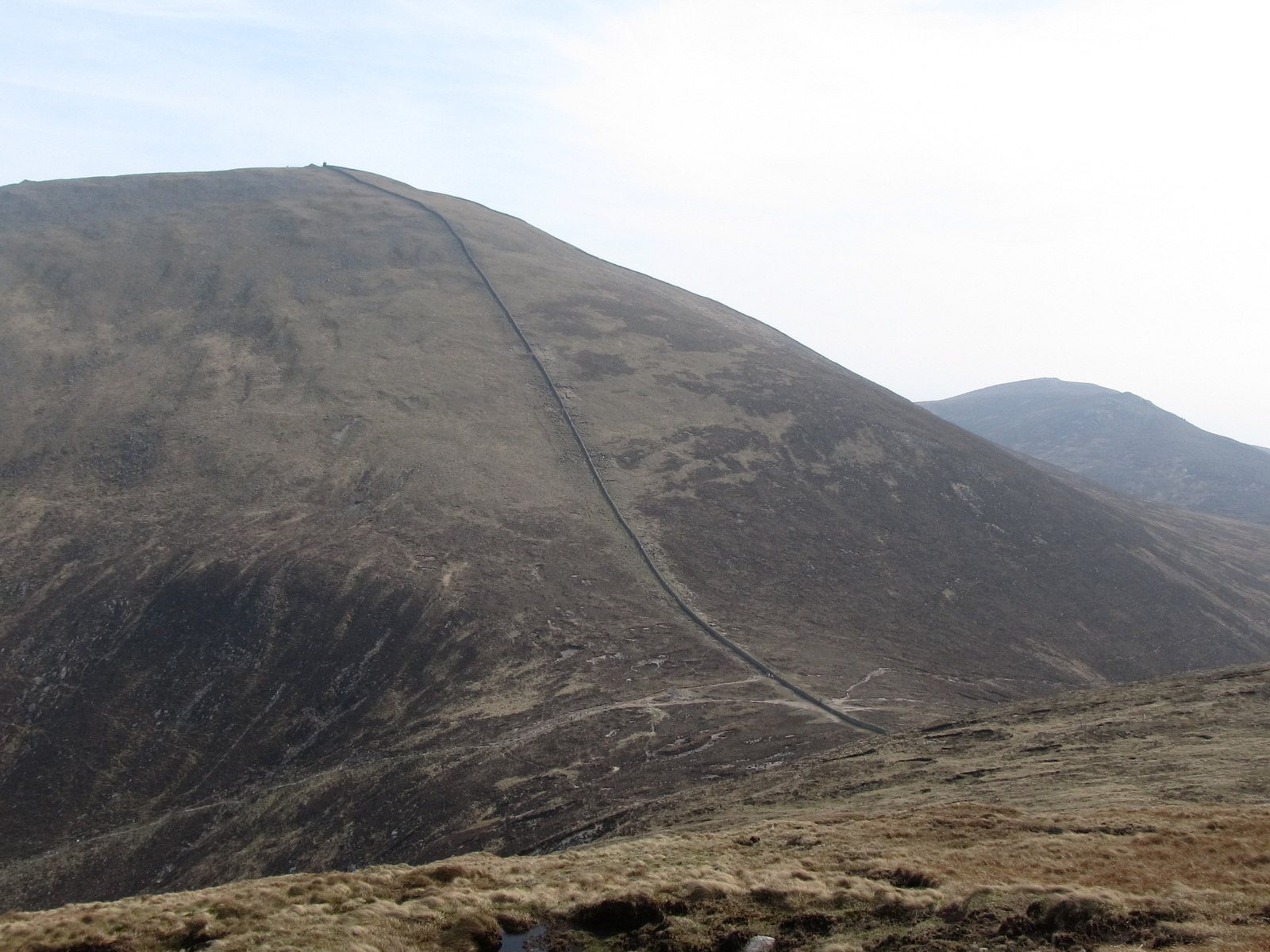
Slieve Donard is Northern Ireland’s highest mountain. The popular Glen River approach is still a strenuous mountain outing: a long climb from Newcastle, rough paths, open ground and a steep finish. Decide whether those demands fit everyone who will be walking, rather than relying on a label such as beginner, family friendly or dog friendly.
Think about the descent as well as the climb. Can each person spend the day on uneven ground, carry their own necessary kit, keep warm during stops and continue carefully when tired? Would you know what to do if visibility disappeared? Being fit on roads or in the gym does not automatically answer those questions.
Children and mixed abilities
There is no useful universal age threshold. Consider the child’s previous experience, attention near water and steep ground, clothing, pace and willingness to turn around. The person who needs the most time should help set the plan. Agree how the group will stay together; an improvised split can leave people waiting cold or unsure where to go.
Dogs
Check current land-manager guidance before travelling, keep a dog under close control and follow lead requirements and livestock signs. Take water, remove waste and be prepared to shorten the walk. A dog’s ability to run uphill does not establish its suitability for a long descent or cold, rough conditions. Do not assume that every path, habitat or nearby venue has the same rules.
When to choose a different day
Choose a lower outing if the forecast exceeds your experience, you lack essential equipment or navigation skills, someone feels unwell, or there is too little daylight. Turning back is an ordinary planning decision. The mountain does not need to be completed to make the trip worthwhile.
Read mountain weather, not just Newcastle weather.
The sheltered woodland and the exposed upper mountain are different environments. Look at wind and gusts, visibility and cloud, precipitation, temperature and freezing conditions across the time you will actually be out. Check an appropriate mountain forecast and current warnings close to the visit, then compare what you encounter with what you expected.
Use the Met Office mountain forecasts and weather warnings as planning inputs. Coverage areas and available detail vary; read the forecast’s area and issue time. A model value for a summit, or a green weather icon in an app, is not a safety verdict.
If conditions deteriorate, use your agreed return plan early. Do not let a group ahead, a clear spell in the trees, or the apparent closeness of the summit override what your own group can handle. This website does not provide a live forecast, closure service or go/no-go decision.
Pack for a pause on the mountain.
Prepare for the moment you stop moving, as well as the effort of climbing. A lightweight bag is useful only if it still contains what you need. Pack items where you can reach them before a small problem becomes a long, cold stop.
- Suitable footwear: grip and support for rough, wet ground; check comfort before the day.
- Waterproof jacket and trousers: wind and rain protection you can put on promptly.
- Warm layers, hat and gloves: enough for a rest or unexpected delay, not just the walk uphill.
- Food and drinking water: for the outing plus a sensible reserve. Do not rely on untreated river water.
- Map and compass: a suitable map of the exact route and the ability to use both. Downloaded mapping is a useful addition, with a power plan.
- Charged phone and backup power: protect them from rain and cold. Signal is not guaranteed.
- Headtorch and spare power: daylight planning is essential, but delays can still happen. A phone torch uses a resource you may need for communication.
- First-aid and emergency equipment: appropriate to your group and skills, including a way to retain warmth if someone cannot keep moving.
- Any personal essentials: medication and other items the individual needs, carried accessibly.
Check the Mourne Mountain Rescue Team’s current advice and adapt preparation to the season. Winter ground, snow or ice call for additional skills and equipment; ordinary walking shoes and a summer plan do not become sufficient because the route is busy.
Make a return plan you can use.
Check sunset for Newcastle on the date of your walk and leave a generous margin. Shade, cloud and the woodland can reduce useful light before the published sunset time. Start early enough to avoid making a transport connection or dinner booking the reason you hurry on rough ground.
Tell a reliable person your exact route, who is with you, your expected return time and what they should do if you are overdue. Update them if the plan changes, and tell them when you are back. Keep those details in your own arrangements; this website does not monitor your trip.
Agree a turnaround time and review it at natural stopping places. If the group is slower than expected in the valley, the remaining steep climb and descent do not shrink. Carry the knowledge and equipment to return without depending on the phone that holds your itinerary.
If you need mountain rescue.
For an emergency in the mountains, call 999 or 112, ask for Police, then Mountain Rescue. Give your location as accurately as possible and follow the call handler’s instructions.
Be ready to explain what happened, the number of people involved, injuries or immediate risks, and a call-back number. A map location or grid reference can help if you know how to obtain and interpret it. Do not move towards dangerous ground just to find a signal. Keep the group warm and safe while following the emergency service’s advice.
Use the Mourne Mountain Rescue Team for its current preparation and emergency information. This independent guide is not an emergency contact, and a website message or social-media post is not a substitute for calling the emergency services.
The same mountain, a different day.
Long summer daylight can make timing less restrictive, but heat, changing visibility and busy starts still need thought. In autumn and winter, shorter days make the return margin more important. Cold, snow and ice can change both the pace and the skills required. In spring, do not assume conditions at sea level describe the upper slope.
A useful plan has alternatives: a shorter woodland walk, a seafront outing, or a visit on another day. Keep them appealing enough that turning back feels like choosing the right day, rather than abandoning it. Plan a little time in Newcastle whichever outing you choose.
Sources & review notes
Editorial research reviewed 16 October 2026. These are source observations, not a live conditions report. Photographs have separate credits and dates.
Editorial review: 16 October 2026 · How we use sources